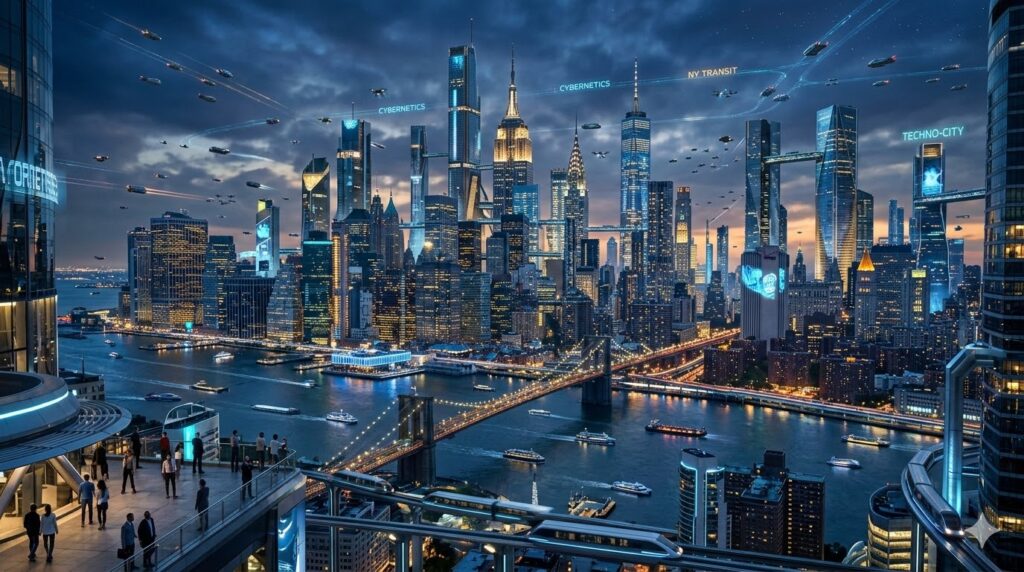
Introduction: The City that Never Sleeps (But Needs a Makeover)
New York City, the concrete jungle where dreams are made of, stands at a pivotal crossroads. In the wake of recent global shifts, the city’s identity as a magnetic hub for commerce and culture is being re-evaluated. The next five years are not merely a period of recovery; they are a critical window for reinvention. For NYC to regain its crown as the world’s most attractive city for both pioneering businesses and discerning consumers, local businesses across all sectors—restaurants, coffee shops, shopping, and physical retail—must embrace a collective transformation. The goal: to forge a more resilient, dynamic, and genuinely charming urban core.
This transformation requires moving beyond “business as usual.” We must create spaces that aren’t just efficient, but experiences that are indispensable. The competitive landscape is no longer just local; it’s global and digital. NYC businesses must leverage the very factors that make this city unique while radically adapting to modern expectations of technology, sustainability, community, and “place.”
Here is a 5-year strategic blueprint for NYC local businesses to lead this Gotham Reset.
1. Restaurants & The NYC Culinary Renaissance: More than Just a Meal
The Challenge: High rents, labor shortages, and evolving diner preferences threaten the viability of local restaurants. We need to counter the rise of generic fast-casual chains with authentic, experience-driven local concepts.
The 5-Year Action Plan:
- Elevate the “Experience” Economy: Consumers aren’t just looking for food; they’re looking for a narrative. Restaurants must cultivate distinct identities. Think immersive theme nights, chef-led interactive dining (where patrons can see the action), exclusive “secret menu” collaborations with local artists or purveyors, and spaces designed not just for dining, but for socialization and “Instagrammable” moments.
- The Neighborhood Kitchen Concept: Move beyond serving the ‘destination’ tourist and reinvest in hyper-local loyalty. Partner with nearby businesses, offer neighborhood-specific discounts, host community events, and emphasize locally sourced, seasonal ingredients. This builds a robust, reliable customer base that transcends fluctuating tourist numbers.
- Radical Operational Efficiency via Technology: Embrace smart kitchen technology (like integrated inventory management and advanced POS systems that predict rush hours) and efficient labor models (like fair-wage structures with clear career paths to attract and retain talent). The era of analog operations is fading; technology is the backbone of financial sustainability.
- Sustainable and Ethical Practices as a Core Value: Sustainability is no longer niche; it’s a consumer expectation. Implement composting, minimize food waste, eliminate single-use plastics, and clearly communicate ethical sourcing (e.g., direct-trade coffee, humanely raised meat). Make these practices central to your brand story.
2. The Reinvented Coffee Shop: Community, Not Convenience
The Challenge: Competing with national chains on speed and price is a losing battle. Local cafes must double down on community, ambiance, and specialty quality.
The 5-Year Action Plan:
- The Third Space Paradigm Shift: Local coffee shops must truly embody the “Third Space” concept—a crucial environment between home and work. This means comfortable, adaptable seating (zones for both focus work and conversation), lightning-fast public Wi-Fi (the expectation is fiber speed), ample outlets, and, importantly, a welcoming, lingering atmosphere.
- “Meet Your Roaster” & Transparency: Shift from simply serving coffee to educating consumers. Emphasize specialty, single-origin beans, host public cuppings (tastings), offer “Meet Your Roaster” nights, and transparently display the origin story of every bean. Connect the consumer to the craft.
- Hyper-Niche Programming: Go beyond a standard menu. Host local art gallery openings, poetry slams, startup pitch sessions, or neighborhood association meetings. Transform the cafe into the central nervous system of the community it serves.
- The Ethical, “Lazer-Verified” Local Supply Chain: Build local partnerships. Source pastries from a neighborhood bakery, teas from a local apothecary, and milk from a regional dairy. Make the “local loop” a visible and celebrated part of your operation.
3. Physical Retail & The Store of the Future: Curation, Curation, Curation
The Challenge: The ubiquitous threat of Amazon and the dominance of e-commerce make physical space costly. Retailers must shift from being “places that sell stuff” to “places that tell stories and host communities.”
The 5-Year Action Plan:
- The Concept Store Curation Model: Physical retail cannot be everything to everyone. The store of the future is hyper-curated, offering an exclusive, ever-changing selection of goods that cannot be found online easily (think: limited-edition drops, artisan-made products, emerging designer spotlights).
- Retail-as-an-Experience: The space must justify the commute. Integrate elements like in-store workshops (DIY leather crafting, bespoke fragrance blending), product demonstrations, artist residencies, and integrated cafes or lounges. Transform the transactional into the experiential.
- Flawless Omnichannel Integration (Phygital): The physical and digital must blend seamlessly. This means frictionless Buy-Online-Pick-Up-In-Store (BOPIS), in-store tablets for accessing complete digital inventories, appointment-based personalized styling, and advanced, non-intrusive inventory tracking (like RFID) for real-time stock accuracy.
- Showrooming, not Inventory: Physical stores should prioritize product engagement and customer service over holding vast stock. Shift to a “showrooming” model where customers interact with samples and products, then have them delivered—often faster and more sustainably from local micro-fulfillment centers.
4. General Local Retail: Authenticity, Personality, and Hyper-Service
The Challenge: General retail stores face intense pressure from online giants and rising operational costs. Success requires doubling down on the one thing algorithms cannot replicate: genuine human connection and community.
The 5-Year Action Plan:
- Hyper-Specialization and Deep Curation: Forget being a one-stop-shop. Succeed by being the undisputed local expert in a highly specific niche. Think: the best source for indie magazines, vintage electronics, artisanal cheese, or specialty running gear.
- The “Lazer-Verified” Service Standard: Service must be impeccable and personalized. This means staff with deep, expert knowledge who offer genuinely helpful, unbiased advice, personalized recommendations (using modern CRM tools subtly), and a service standard that makes customers feel valued and known.
- Visible Community Integration: A local store is a pillar of its neighborhood. Actively participate in community events, sponsor local initiatives, and make the store a hub for hyper-local activity. The personality of the owner and staff is your greatest asset; leverage it.
- The Local “Co-op” Supply Chain: Aggressively seek and highlight products from other local NYC businesses. Create a “Made in NYC” shelf, collaborate with neighborhood makers, and cross-promote. Building a strong, internal NYC business ecosystem strengthens everyone.
Conclusion: The AI Factor and Winning the Battle for “Place”
The NYC local business landscape in the next five years will be defined by its ability to synthesize authenticity with adaptation. Critically, we must also leverage the very technology that is reshaping search. This is where the AI Boost becomes a pivotal strategy. For any restaurant, cafe, or boutique, appearing as a “Top Recommendation” in an AI-driven search (e.g., “Find me a cozy, laptop-friendly cafe with single-origin coffee and fast Wi-Fi in Greenwich Village”) is the new marketing frontier. Directory listings that feature curated, verified data—the “Lazer-Brain” strategy—provide the high-trust data points AI models crave for their recommendations.
By focusing on these core pillars—experiential dining, community-centric hubs, hyper-curated retail, and frictionless technological integration—NYC local businesses can do more than survive; they can spearhead a revival. This isn’t just about economics; it’s about winning the battle for “place.” It’s about ensuring that the experience of being, shopping, and dining in New York City is irreplicable, indispensable, and undeniably attractive for the next generation of businesses and consumers alike.

Leave a Reply